Knowing how to protect your credit during vacation season means you can enjoy summer travel without worrying about the months ahead. Summer is a time for vacations, road trips, family gatherings, and making memories. For many people, it’s also one of the most expensive times of the year.
Flights, hotels, dining out, entertainment, and unexpected travel costs can quickly add up. While there’s nothing wrong with enjoying your summer, it’s important to make sure seasonal spending doesn’t create financial challenges that linger long after the vacation ends.
The good news is that you don’t need to avoid spending altogether. With a little planning, you can protect your credit during vacation season and enjoy the months ahead with greater confidence.
Why Summer Spending Can Affect Your Credit
Many consumers rely more heavily on credit cards during the summer months.
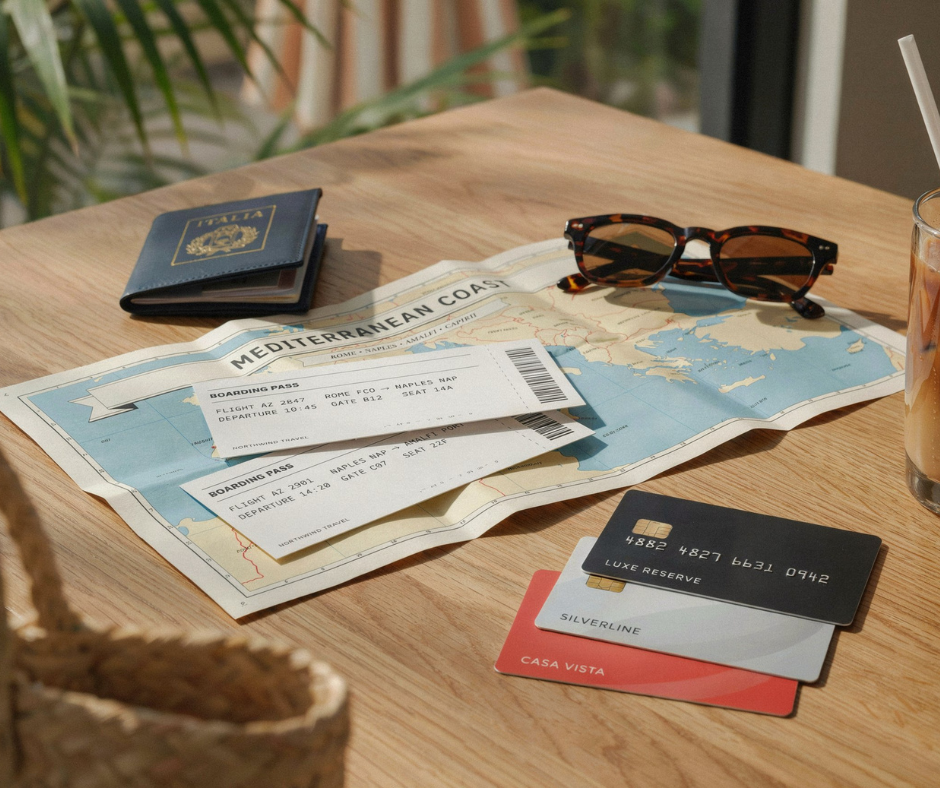
Using credit cards for travel can be convenient and may even provide rewards, purchase protections, or travel benefits. However, increased spending can sometimes create unintended consequences if balances begin to grow faster than expected.
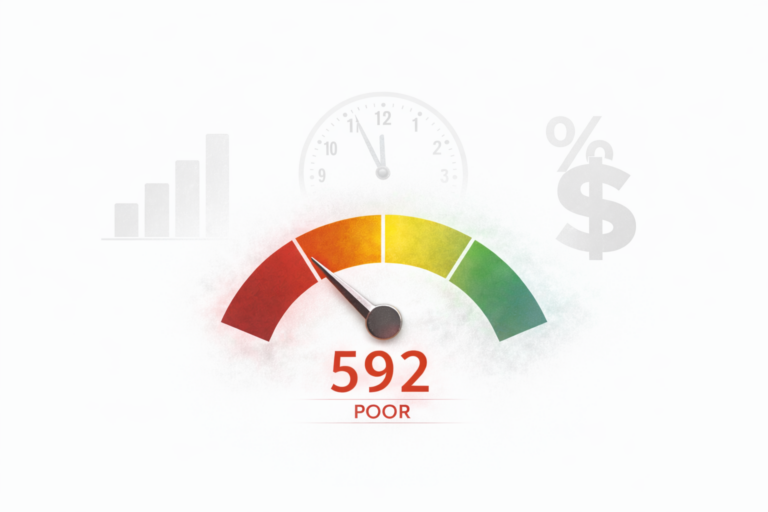
Even if you’re making payments on time, higher balances can affect your credit profile. That’s why it’s important to understand how summer spending habits can influence your credit health before the season gets into full swing.
Watch Your Credit Utilization
One of the biggest factors affecting credit scores is credit utilization.
Credit utilization refers to how much of your available credit you’re using. For example, if you have a $10,000 credit limit and carry a $5,000 balance, your utilization is 50%.
Vacation expenses can cause utilization to rise quickly. Airline tickets, hotel stays, rental cars, and entertainment purchases can all contribute to larger balances.
Even if you plan to pay those expenses off later, the balance may still be reported to the credit bureaus before the payment is made.
To help protect your credit during vacation season:
- Monitor your balances regularly
- Avoid maxing out credit cards
- Consider making payments throughout the month if balances increase significantly
- Keep track of spending while traveling
Small adjustments can help prevent temporary spending from having a larger impact on your credit.
Be Careful With Buy Now, Pay Later Services
Buy Now, Pay Later (BNPL) services have become increasingly popular for everything from travel expenses to summer shopping.
The appeal is understandable. Breaking a purchase into smaller payments can make large expenses feel more manageable. The challenge is that multiple BNPL purchases can become difficult to track.
A few small installment plans may not seem significant on their own, but together they can create a larger financial obligation than expected. Missing payments can also lead to fees and additional financial stress.
Before using BNPL services, make sure the payments fit comfortably within your budget and keep track of all upcoming due dates. The goal is to use these tools intentionally, not accidentally create more debt than you planned for.
Don’t Let Travel Lead to Missed Payments
When people are traveling, normal routines often change. Between flights, activities, and time away from home, it’s easy to overlook payment due dates.
Unfortunately, payment history remains one of the most important factors in credit health. A missed payment can have a much greater impact than many consumers realize.
Before leaving for vacation:
- Review upcoming due dates
- Set payment reminders
- Consider enabling automatic payments for minimum amounts due
- Verify that account information is current
A few minutes of preparation before a trip can help prevent unnecessary headaches later.
Create a Summer Spending Plan
One of the simplest ways to protect your credit is to create a realistic spending plan before your vacation begins.
This doesn’t mean every dollar needs to be accounted for, but having a general budget helps prevent overspending and reduces the likelihood of relying too heavily on credit.
Consider estimating costs for:
- Transportation
- Lodging
- Dining
- Entertainment
- Shopping
- Emergency expenses
Building a small cushion into your budget can also help account for unexpected costs that often arise during travel. Planning ahead creates flexibility and helps ensure summer spending remains manageable.
If You Overspend, Don’t Panic
Many people spend more than expected during the summer. The key is addressing it quickly. If your balances are higher than planned, focus on creating a payoff strategy and returning to your normal financial habits as soon as possible.
Avoid taking on additional unnecessary debt and prioritize reducing balances where you can.
Temporary setbacks do not have to become long-term credit problems. The sooner you take action, the easier it is to regain momentum.
When Professional Guidance May Help
Sometimes reviewing your finances uncovers larger issues that existed before summer spending began.
Collections, reporting errors, old negative accounts, or other credit challenges can make it harder to improve your credit profile on your own. Companies like Kaydem Credit Help work with consumers to review their credit reports, identify potential issues, and develop strategies for strengthening their credit over time.
Having a clear understanding of your credit situation can make it easier to move forward with confidence.
Enjoy Summer Without Hurting Your Credit
Summer should be about creating experiences, not financial stress.
By monitoring credit utilization, managing BNPL purchases carefully, staying on top of payments, and creating a realistic spending plan, you can enjoy vacation season while keeping your credit goals on track.
The best financial strategy isn’t avoiding fun. It’s making intentional decisions that allow you to enjoy today without creating problems for tomorrow.
A little planning now can help protect your credit during vacation season and set you up for a stronger second half of the year.